Accessories Size
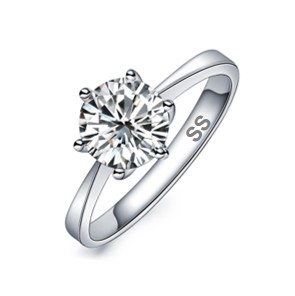
Ring Size
Watch Size
Hat Size
Tie Size
Belt Size
About Accessories Size
How to choose the right size of accessories based on body measurements?
Choosing accessories based on your body measurements is a game-changer. It elevates your style by creating harmony and proportion.
The Golden Rule: Proportion & Scale. The core principle is to balance the size of the accessory with your body's frame and features. The "One Statement" Rule: If you're wearing a very large necklace, go for smaller earrings, and vice-versa.
Petite/Slender Frame: Smaller, delicate accessories often look more in proportion. Very large pieces can overwhelm.
Tall/Larger Frame: Larger, bolder accessories have the "presence" to complement your frame. Tiny pieces might get lost.
Medium/Average Frame: You have the most flexibility! You can play with both, using size to create different effects.
The "Rule" of Thirds: Visually dividing your body into thirds can help—accessories often look best when they align with these natural breaks (e.g., a necklace hitting at the collarbone, a belt at the natural waist).
1: Necklaces & Pendants.
This is all about neckline, torso length, and face shape.
① Choker (14-16 inches): Sits snugly at the base of the neck.
Best for: Those with longer necks and oval/heart-shaped faces. Avoid if you have a very short neck or a round face, as it can accentuate width.
Style Tip: Pairs perfectly with open necklines (scoop, V-neck, off-the-shoulder).
② Princess Length (17-19 inches): The most common length, rests on the collarbone.
Universal: Flattering on almost everyone. A great staple length.
③ Matinee Length (20-24 inches): Falls between the collarbone and bust.
Best for: Creating a longer, leaner torso line. Excellent for balancing broader shoulders or a larger bust. Ideal for business attire.
④ Opera Length (28-36 inches): Falls to the sternum or below.
Best for: Taller individuals or those wanting dramatic, elegant vertical lines. Can be doubled for a layered look on shorter frames.
Quick Tip: The general rule is that a necklace should not hit at the widest part of the area it's near (e.g., avoid a pendant that lands right at the fullest part of your bust).
2: Bracelets & Bangles.
Focus on wrist size and forearm length. Measure Your Wrist: Use a soft tape measure.
Small Wrist (under 6 inches): Delicate chains, slim bangles, and tailored fit watches (case diameter 34-38mm) work best.
Medium Wrist (6-7 inches): You can wear most styles. Cuffs, wider bangles, and standard watches (38-42mm) look great.
Large Wrist (over 7 inches): Opt for wider cuffs, substantial link bracelets, and larger watch faces (42mm+). Avoid very thin, fragile chains that may look out of scale.
Bangle Sizing: For a snug fit, add 1 inch to your wrist measurement. For a loose fit (to slide over your hand easily), add 1.25-1.5 inches. The total is the inner circumference of the bangle.
3: Rings.
This is the most measurement-specific category.
Find Your Ring Size:
① Professional: Visit a jeweler (most accurate).
② At Home: Use a printable ring sizer or wrap a thin strip of paper around the base of your finger, mark it, and measure the length in millimeters. Compare to a ring size chart online.
Key Notes: Fingers can swell (heat, time of day). Measure at room temperature, at the end of the day. Knuckles can be larger; ensure the ring fits over them comfortably.
Proportion for Statement Rings:
① Small, Short Fingers: Opt for smaller stones, vertical designs (like ovals), and narrower bands to elongate.
② Long Fingers: You can carry large stones, wide bands, and horizontal designs beautifully.
4: Earrings.
This is primarily about face shape, hair length, and neckline.
① Studs & Small Hoops:
Universally flattering. Great for everyday wear.
② Dangly/Drop Earrings:
Round/Square Face: Choose longer, vertical drops to create length (e.g., dangles, ovals).
Long/Oval Face: Opt for wider, shorter styles that add width (e.g., stud clusters, short chandeliers, hoops).
Heart-Shaped Face: Choose styles that are wider at the bottom (teardrops, triangles) to balance a narrow chin.
③ Large Hoops & Statement Earrings:
Consider your frame. A petite person might choose medium hoops, while someone with a stronger bone structure can carry extra-large ones. If you have short hair or an updo, earrings become more prominent—choose accordingly.
5: Belts.
Focus on torso length and where you want to create definition.
① Width:
Wide Belts (2-3 inches): Make a bold statement, cinch the waist dramatically. Best on longer torsos and dresses or over blouses.
Skinny Belts (1/4 - 1 inch): Subtle definition. Perfect for high-waisted pants, over cardigans, and for shorter torsos.
② Placement:
Belting at your natural waist (the narrowest part) is almost always flattering.
A low-slung hip belt can elongate the torso but may cut off leg length.
Tips:
The "One Statement" Rule: If you're wearing a very large necklace, go for smaller earrings, and vice-versa.
Consider Your Outfit's Volume: A flowy, bohemian maxi dress can handle heavier, layered accessories. A sleek sheath dress calls for more refined, singular pieces.
Personal Comfort is Key: The most "right-sized" accessory is one you feel confident and comfortable wearing. Don't wear giant hoops if they bother you, no matter the "rules."
Mirror, Don't Measure: Always do a full-length mirror check. How does the entire outfit with accessories look together? Step back and assess the balance.
Ultimately, use these guidelines as a starting point, not strict rules. Experiment, have fun, and let your personal style shine through!